Chase Fairchild is a business coach, serial entrepreneur, and the CEO of Bolt Marketing.
Read on Forbes -->
The past decade has presented business leaders with one challenge after another. Covid-19 fundamentally changed where and how we work. The Great Resignation destroyed teams overnight. And now, we're facing the lowest engagement levels in years, with Gallup
reporting that four out of five employees worldwide aren't engaged at work, costing the global economy an estimated $10 trillion.
In response to the shift in employee behavior, many employers have done the obvious. Offer more money, fancier titles, unlimited vacation, pizza parties, "Summer Fridays" and office rec rooms. Companies have thrown every possible perk at their employees in hopes of incentivizing them to come into the office, stay on the team and remain engaged. But for many, the results of these efforts have been minimal at best.
I've started seven businesses, so I understand the appeal of the "give them more" logic. But I've learned two things in life: You can't buy love, and you can't buy loyalty. The cure for employee disengagement doesn't come from more money or perks. I've found it comes from building a brand that empowers team members and compels them to foster it. You do that through prioritizing culture.
Why Your Culture Is Your Brand
Contrary to what many people think, a brand isn't just your logos, fonts and colors. Rather, it's your company's perspective put on display. That includes the visuals, but more importantly, it's how a company views and interacts with the world around it. Nothing demonstrates this type of perspective more clearly than culture. Your culture is your brand. A weak culture makes a weak brand.
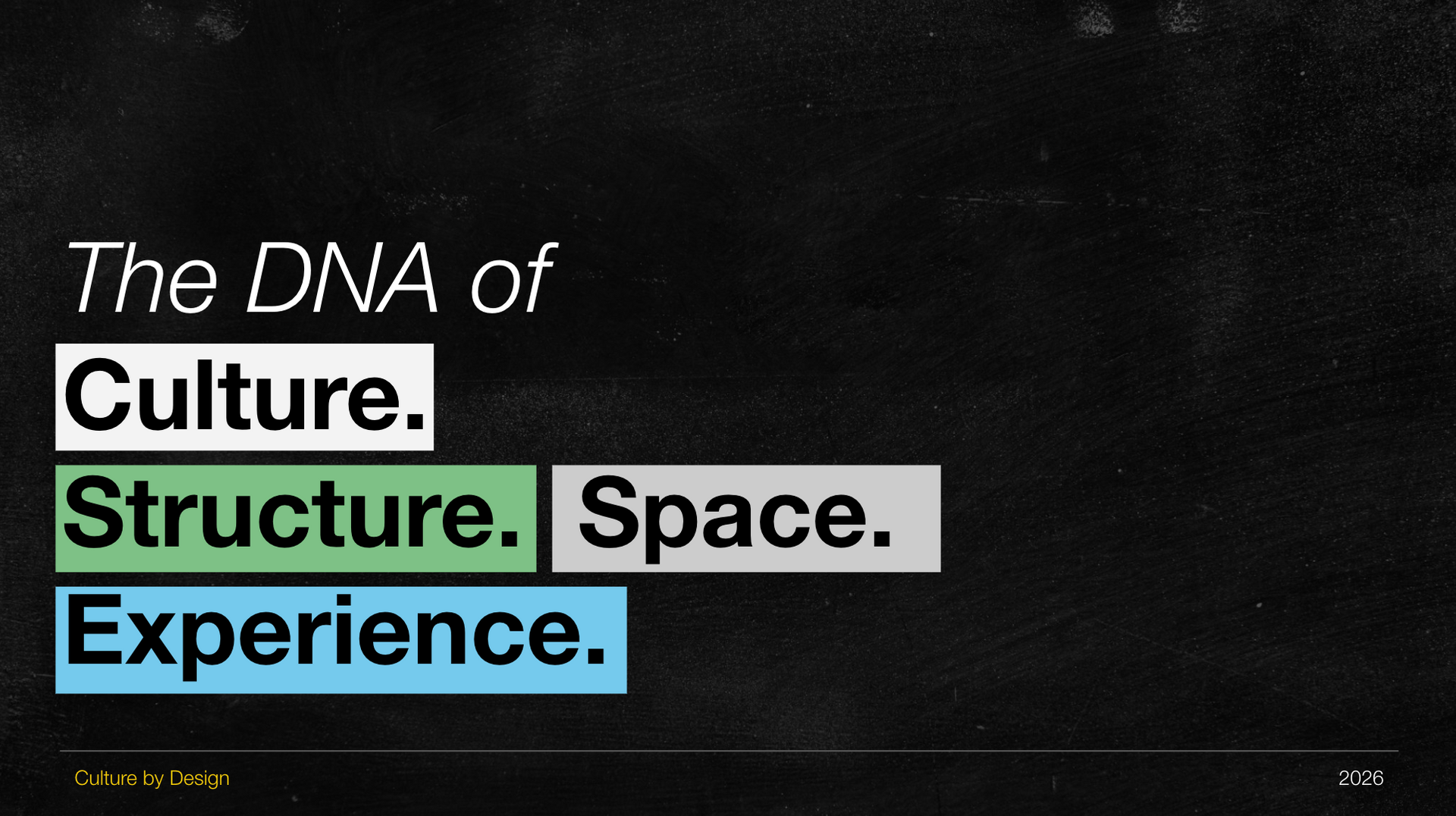
Culture exists whether you plan for it or not. Don't do anything, and culture will form by accident. The companies with higher retention often maintain their culture purposefully and deliberately. In my experience, deliberate culture-building comes down to three things: structure, space and experience.
Good culture starts when you stop thinking of yourself as the star guest at the party and start thinking of yourself as the host. Everyone loves being invited to a party, but the host sets the tone for the event and decides how the night feels. Great companies play host to their internal teams, to their clients and to everyone else they encounter.
1. Structure
Early in my career, I was convinced that structure was the enemy of creativity. In reality, the opposite is true. Structure makes freedom possible. Take the out-of-bounds line, the fouls and the scoreboard away from basketball, and you don't have a game. Culture is the same. Without structure, it doesn't really exist.
Within the structure, three things matter most.
First, make it easy to buy what you sell. When your offerings are unclear, it adds obstacles to your buying process. It also forces your team to improvise, which is exactly how culture erodes at scale. Having distinct product packages and customer journeys will simplify your life and make it easy to grow.
Second, make your core values operational. Too many companies pay a consultant to help them develop company values, frame those values on the wall and never look at them again. In my companies, our values are integral to how we hire, give feedback and interact with clients.
And finally, be intentional with your language. Words build your reality. How you talk about work, your company, clients and employees matters more than you think. For example, when we have a client driving the team crazy, we remind each other: If they knew how to do this themselves, they wouldn't have hired us. How you talk about the business is the coal that fuels the fire of culture.
2. Space
Your physical environment is the culture you can see. My marketing company used to operate out of a beige office park. It was a nice office, but hardly an inspiring environment. When we relocated to our own space, we designed it from the ground up, and something shifted. Our external presence matched the internal culture we were building, and morale jumped.
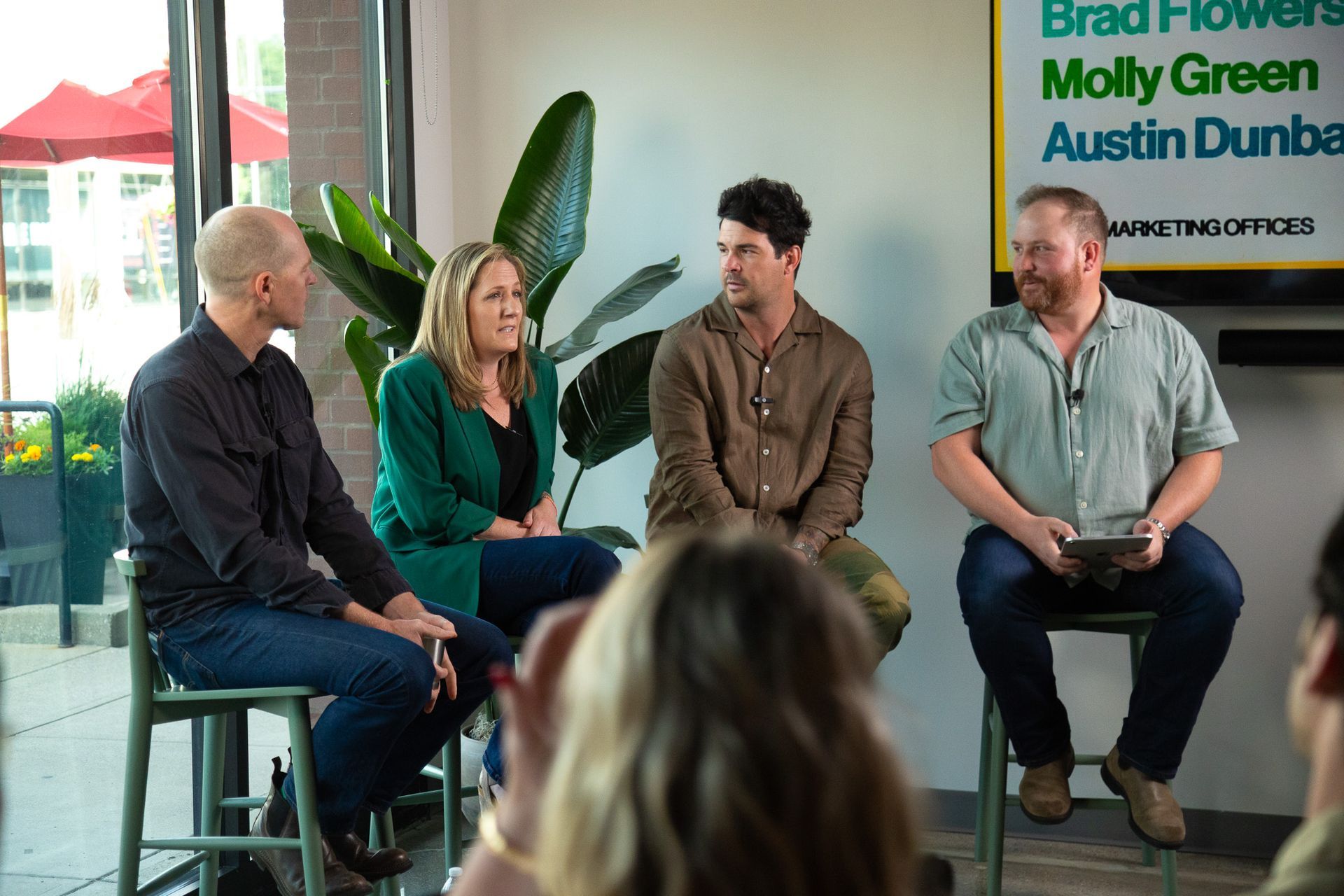
The future of work isn't the Silicon Valley campus of the early 2010s, with slides and nap pods. It's a human-first space where people feel valued. And the right space can become a stage for your brand. You can bring people into the space by hosting panels, workshops, happy hours and community nights.
Of course, a dedicated space isn't in the cards for everyone. If your team is remote or distributed, the principle still holds. You're just renting the room instead of owning it. In today's world, many people are longing for In-Real-Life (IRL) experiences in work and play.
3. Experience
Culture gets built in real, shared moments. Pulling off a huge client event can wear a team out and spark a couple of arguments. It can also bond them like nothing else, as long as they share the same values and picture of where you're headed.
As the host of your own culture, prioritize creating experiences for your team, stakeholders and clients. These can be small events like a casual happy hour, a private concert or an off-site retreat. Something that will add interest and texture to their lives. We've grown our happy hours into events that draw in the whole community. We've done co-branded specials with local shops and a takeover with a minor pro sports team, because interesting work attracts interesting people, and interesting people are exactly who you want to build with.
Strong Culture Strengthens Businesses
These three pillars of deliberate company culture hold up regardless of how your team works. Whether you're remote, hybrid, fully in-person or distributed across several offices, you can apply the same pillars. Only the logistics change.
Strong culture helps produce
higher revenue, higher productivity and better retention. People who feel good about where they work and are connected to their company through culture are much more likely to stay.
The best news is this: Culture is something you get to create. And you can start small. Stop being the guest at your own party. Host one shared experience with your team, and go from there.