

Why Most Businesses Never Make It Past Year Five


By Chase Fairchild July 8, 2026

I've watched hundreds of businesses close their doors, and almost all of them did so for the same reason.


Starting a business is easy. Keeping it alive is one of the hardest things you'll ever do.


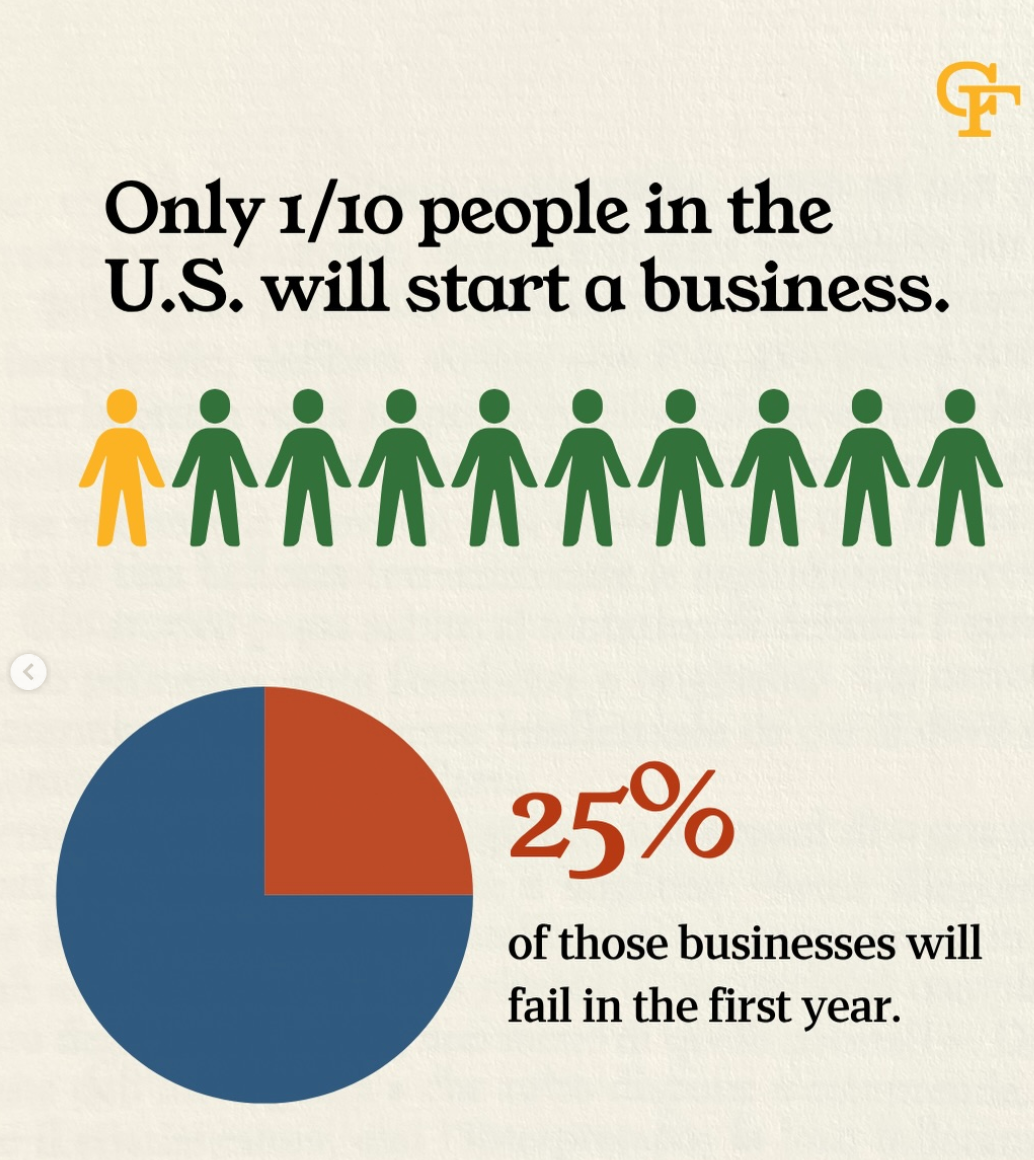
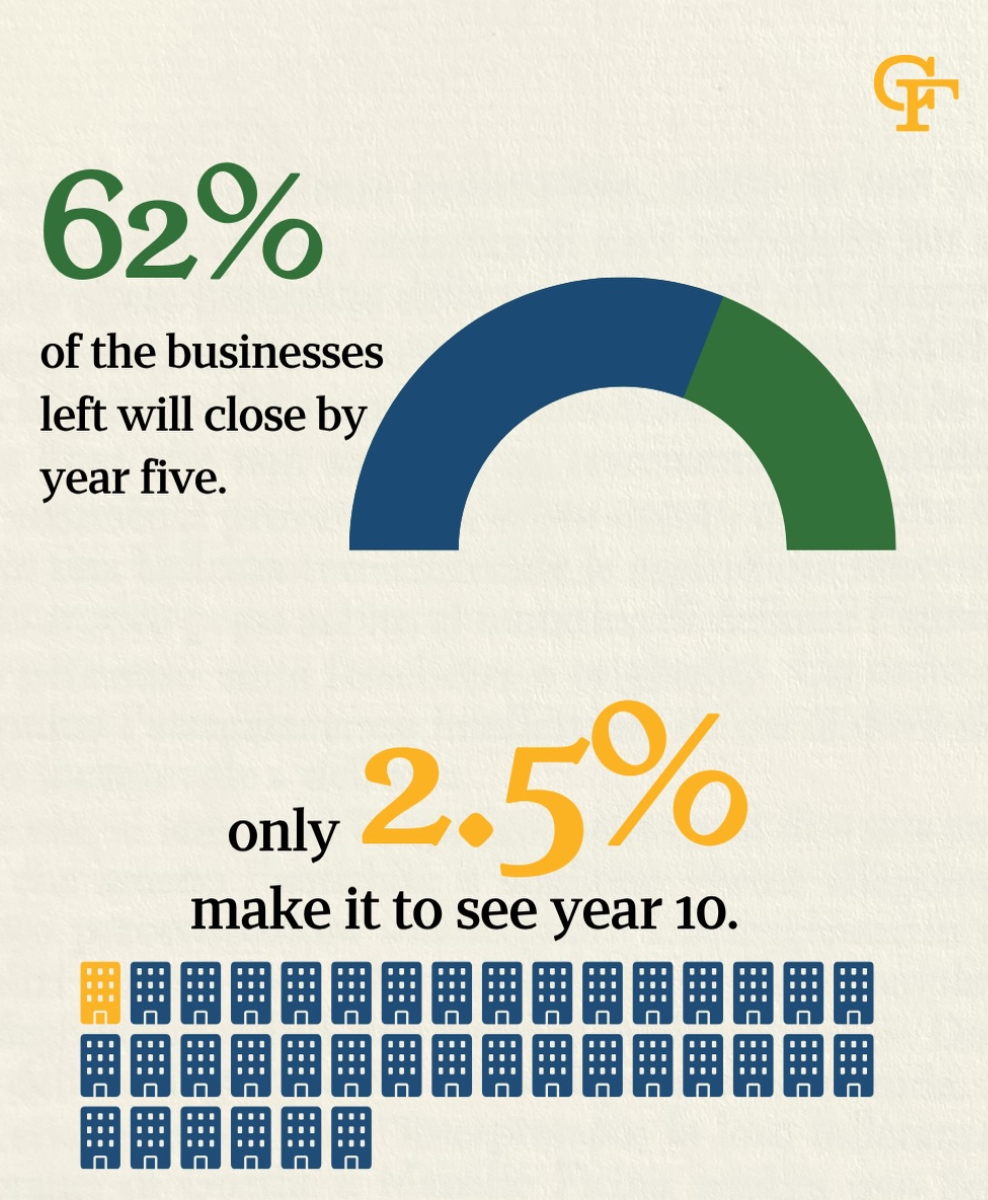
62% of small businesses never make it to year five. Of the ones that do survive, only 2.5% are still standing at year ten. Those numbers are brutal, and most founders don't find out how brutal until they're already in trouble.

It's Not Effort, and It's Not Talent

The easy explanation is that failed founders didn't work hard enough or weren't good enough. I don't buy it. The founders I've watched go under, worked harder than anyone I know. And it's not talent either. I've seen brilliant people lose businesses they should have kept, businesses that by every measure should have made it.


The Real Problem: Flying Blind

Here's what's actually happening. These founders are flying blind. They can't see the whole picture of their business, so they pour everything into the one part they're naturally wired for, whether that's sales, the craft, the product, whatever comes easiest to them. Meanwhile, the parts they ignore keep piling up in the dark, and those are the parts that end up killing the business.


Every founder responds to threats differently. Some avoid them outright. Some fall into analysis paralysis and never move. And the worst case is never knowing the threat existed at all until it's already done the damage.

What the Survivors Do Differently

The entrepreneurs who go the distance and build legacy businesses have learned to view their business as a machine with distinct, connected parts. They don't just work in the business, they regularly step back and monitor the whole machine with their team and their processes. They use a dashboard that shows them the full picture, not just the piece they happen to be focused on that day. When something goes haywire, they see it early, and they move to fix it fast.


If you don't have a clear picture of how the different parts of your business work together, your operations, your marketing, even how you're taking care of yourself, you're flying blind too. And flying blind is exactly how a business that should have made it doesn't.


Find Your Blind Spots Before They Find You

I built an assessment that shows you your business's blind spots and gives you a real plan to fix them. If you want to know whether your business is set up to make it past year five, check it out on my website at chasefairchild.com.


If you’re ready to build a business that can beat the odds and are interested in one-on-one business coaching, let’s connect. 

"If you're looking for a coach who gets both strategy and execution - and can help you move forward with confidence - Chase delivers."


- Wade H.


Latest Posts

July 8, 2026
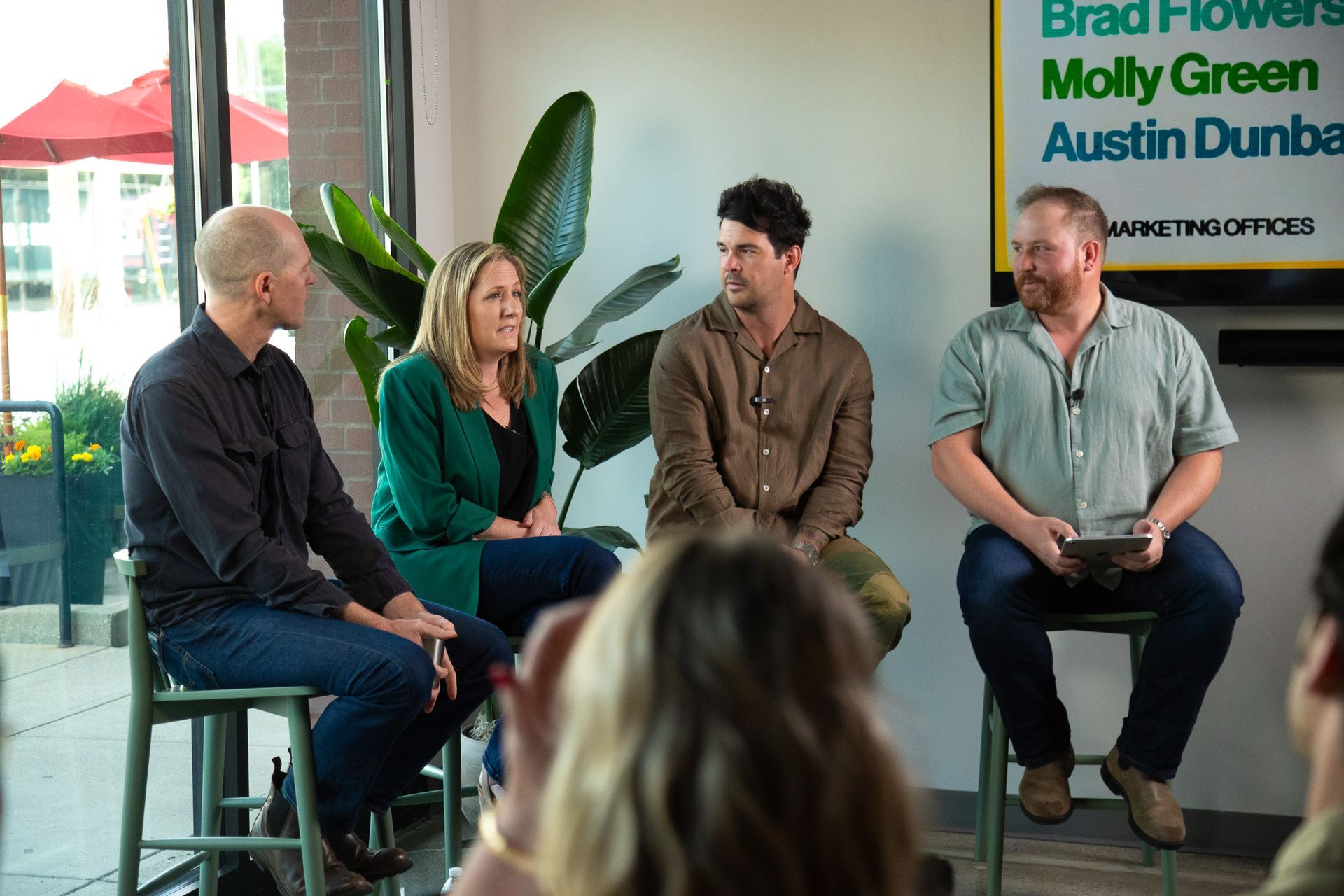
Last month I got to moderate a roundtable here at our Main Street office with three of the sharpest branding minds: Molly Green of BrandCat and Onefold Creative , Brad Flowers of Bullhorn Creative , and Austin Dunbar of Durham .  We got into naming, pricing, authenticity, and where AI actually fits in creative work, and Business Lexington tuned in and wrote it all up. Here's their full recap of the conversation. Read the Full Article →
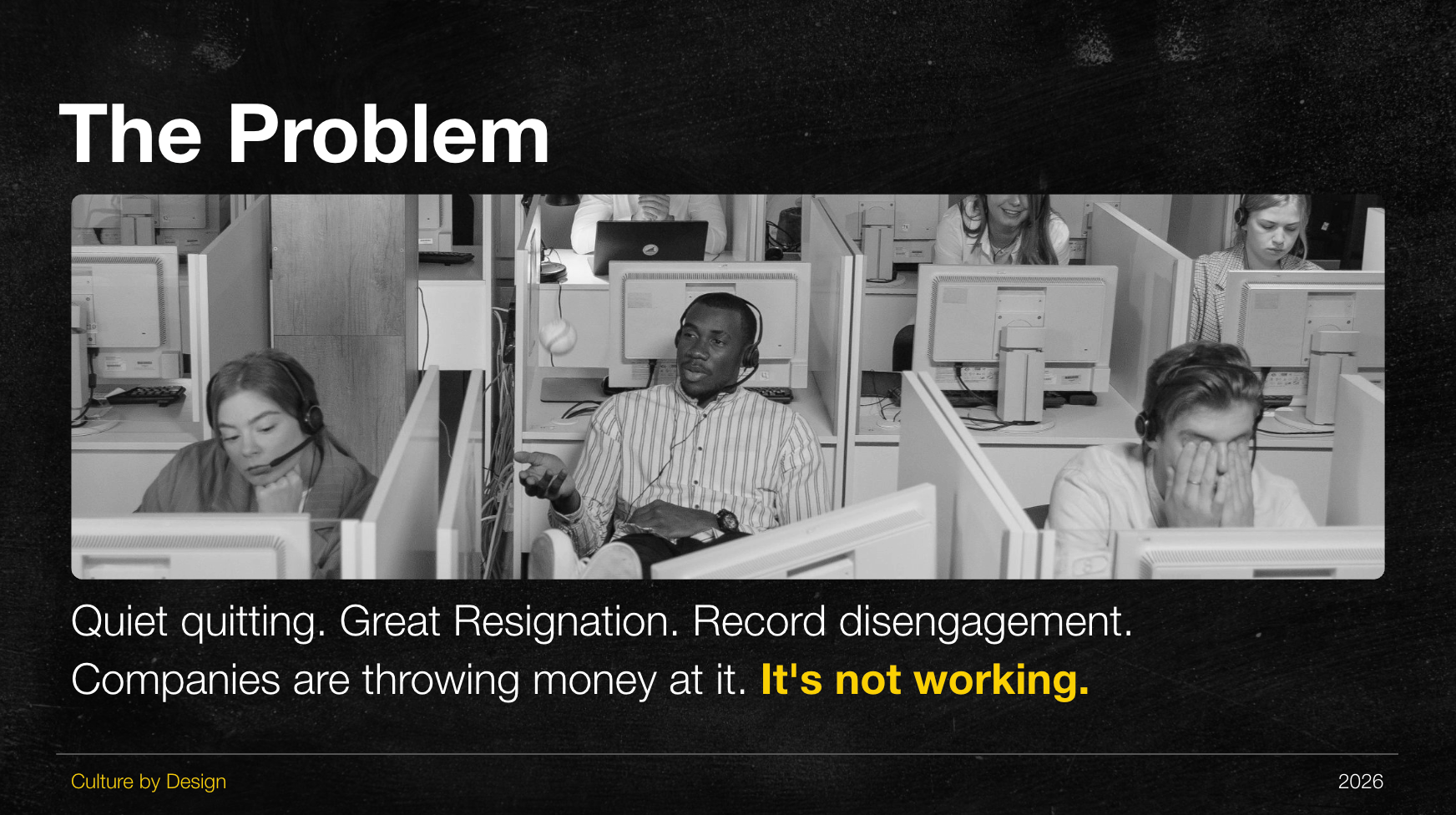
Three people at desks under “The Problem” heading, with text about quiet quitting and disengagement.
By Chase Fairchild July 8, 2026
Bolt Marketing CEO Chase Fairchild breaks down the 3 pillars of company culture: structure, space, and experience, and why culture is your real brand.